

The evolution of gambling A journey through history’s bets and stakes
The evolution of gambling A journey through history’s bets and stakes
The Ancient Beginnings of Gambling
The roots of gambling can be traced back to ancient civilizations where games of chance were used for entertainment and divination. Archaeological findings reveal that games similar to dice were played as far back as 3000 BC in ancient Mesopotamia. The people of this era engaged in betting on the outcome of games, often using rudimentary tools made from bones or stones. Interestingly, today’s trends show that many people are turning to new online casinos australia, embracing the excitement and engagement these platforms offer. These early forms of gambling were not just recreational; they also held significant cultural and religious importance.
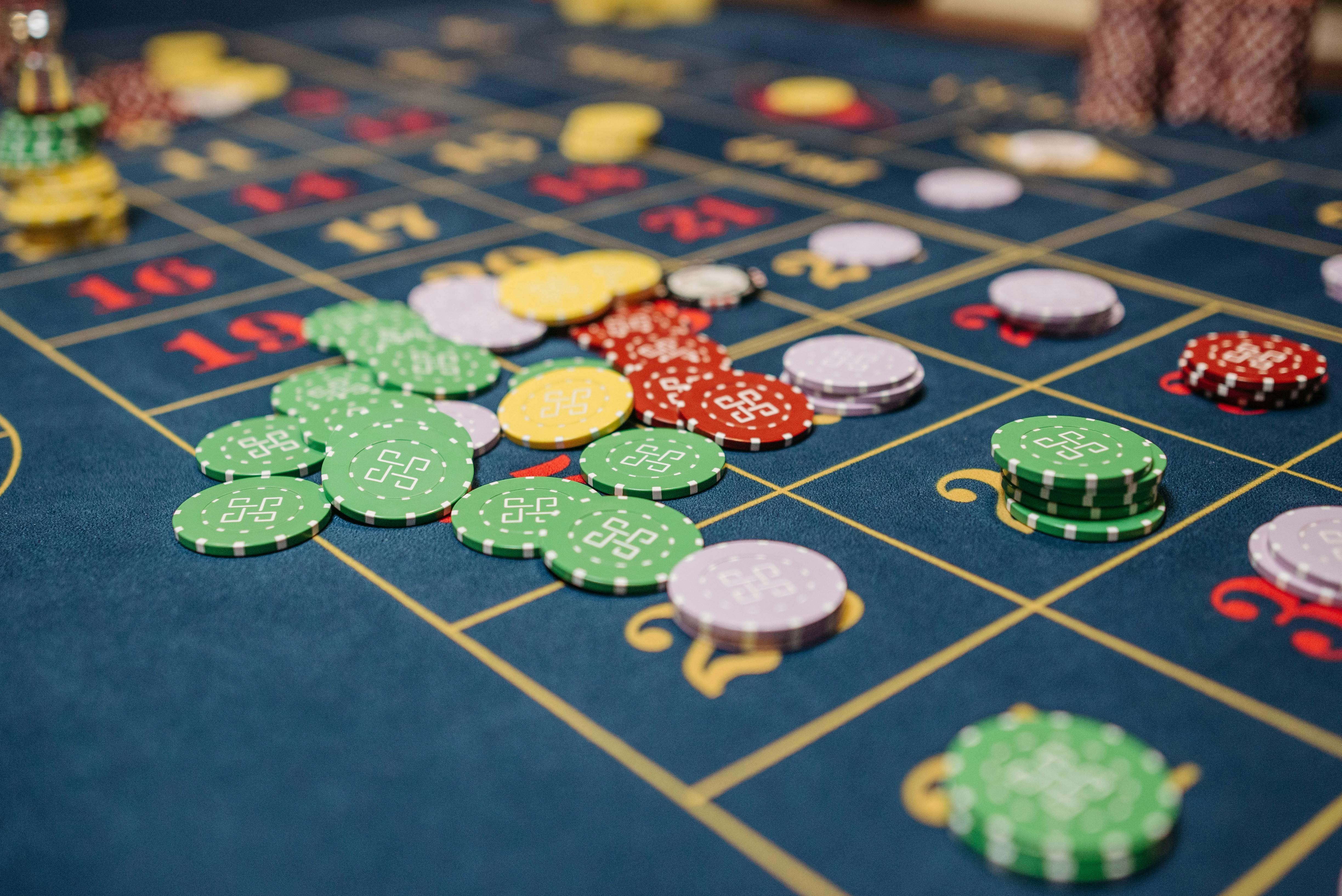
In ancient China, around 2000 BC, keno was developed, serving as a lottery system that funded public works. This method of gambling laid the foundation for more structured games in later years. Meanwhile, the Romans, known for their love of entertainment, introduced betting on gladiatorial contests, creating a vibrant gambling culture within their empire. The societal acceptance of these practices paved the way for gambling to evolve into a mainstream activity.
The Middle Ages: A Shift in Gambling Dynamics
The Middle Ages marked a significant transition in the landscape of gambling, influenced by social and political changes across Europe. With the rise of chivalry and the feudal system, gambling became a way for the nobility to display wealth and power. Games like chess and various card games emerged, becoming popular pastimes among the elite. These games not only required skill but also encouraged betting as a display of social status.
However, during this period, gambling was met with mixed reactions. The Church often condemned gambling as a vice, associating it with greed and moral decay. Despite this, many continued to indulge in various betting activities, leading to the establishment of rules and regulations in the late medieval period. This era laid the groundwork for the formalization of gambling that would follow in the Renaissance.
The Renaissance and the Birth of Modern Gambling
The Renaissance was a pivotal era for gambling, witnessing the birth of many games that remain popular today. The introduction of playing cards from China to Europe sparked a revolution in gaming, leading to the development of various card games. This period saw the establishment of the first known gambling houses in Italy, where patrons could place bets on various games of chance.
The emergence of state-sponsored lotteries during this time provided new avenues for gambling, with funds often allocated for public projects. The legalization of gambling in many regions meant a proliferation of games and betting opportunities. This shift not only transformed gambling into a legitimate business but also contributed to its growing acceptance in society, setting the stage for modern gaming establishments.
The 19th and 20th Centuries: Regulation and Expansion
The 19th century marked a significant turning point for gambling, especially with the establishment of casinos in Europe and the United States. The introduction of laws regulating gambling practices aimed to curb illegal betting and protect consumers. As a result, gambling became more structured, and the emergence of iconic venues like Monte Carlo and Las Vegas transformed the gambling landscape into glamorous entertainment hubs.
The proliferation of technology in the 20th century further revolutionized gambling. The introduction of slot machines and video poker changed the way people engaged with gambling, offering instant gratification and accessibility. As global communication improved, online gambling began to take shape at the end of the century, bringing traditional betting into the digital age and allowing players to gamble from the comfort of their homes.

Understanding Modern Gambling and Its Implications
Today, gambling encompasses a vast range of activities, from traditional casinos to online platforms that offer everything from sports betting to poker. However, the rise of accessibility has raised concerns about gambling addiction. As more individuals engage in gambling, awareness of its potential risks has become increasingly crucial. Various organizations and professionals are advocating for responsible gambling practices and providing resources for those who may be struggling.
In this context, it’s essential to promote education about the potential dangers of gambling and to create support systems for individuals experiencing gambling-related issues. The conversation around gambling addiction continues to evolve, aiming to balance enjoyment with responsibility. As gambling advances, so does the necessity for awareness and understanding of its impact on society.

